What is Riso?
Risograph machines are like electronic screen print photocopiers – instead of fixing toner to the page with a laser they cut stencils which are attached to ink drums printing more ecologically friendly inks onto the surface of the page. This means we always use uncoated paper – shiny magazine-style paper stock won’t work and it’s not really the riso aesthetic.
Our riso machine is called Lyra, short for Philyra, who was the Ancient Greek goddess of paper, writing and, randomly, perfume!
OK, but what does that mean for my files?
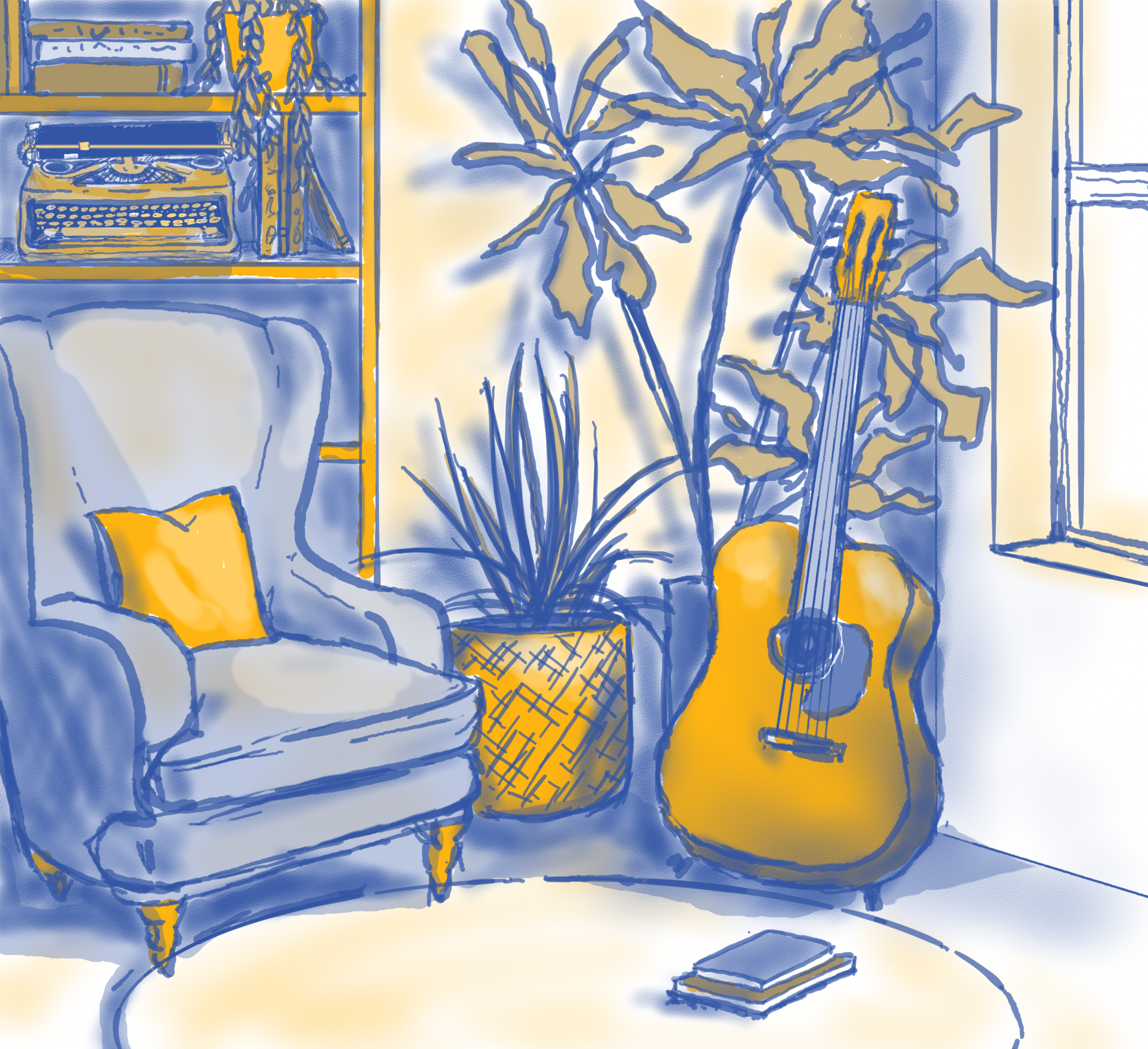
We’re going to need your artwork in a black and white pdf or as a black and white a3 printed sheet. We can then use one of our ink drums to print it! Check out the image below – the original file is black and white, but if you move the slider you can see how it might look printed using our Medium Blue drum!
OK, but I want to be able to print in multiple colours!
You can do this, but riso works best with a limited colour palette. Our machine can print two colours at a time quite easily, so if you wanted to print this picture with medium blue and sunflower yellow you could send us two black and white files. One like the Medium Blue layer above, and another designed to make the stencil for the Sunflower Yellow layer:
Notice how the guitar body is very dark on the black and white original file – this is because we want full opacity from the Sunflower Yellow ink. If you were to grayscale the Sunflower Yellow layer it would give a lighter black and white file. Don’t worry – if you’re files are too light we’ll tell you!
When both these files are printed together, one layer on top of the other, we get this:
OK, but I want like 5 different colours!
That might be too many! You can use colour combining to get a third colour, and we can run your prints through the machine multiple times to add more colours BUT this takes time and we charge extra for every colour. The whole point of how riso looks and feels is that you limit the palette, so we’d recommend simplifying your design. If you want to use more than two stencils there’s also the problem of registration!
The what of what? You sound like you’re going full David Hume!
Let’s simplify the image. Imagine you want to print a red square in a black box. You’ll need two files, one black and white box outline, and one black and white coloured in box. We’d print the outline with our black drum and the filled in square with our Bright Red drum, like this:

The images need to be perfectly aligned so that they “register” – if you submit files that don’t register it’ll show. Lyra can achieve almost perfect registration between two colours, but if you’re adding more she’s only accurate to within about 3mm, meaning you could get as much as a 3mm shift in registration from copy to copy – this is one of the idiosyncrasies of riso printing – it’s a part of why we love it! To limit registration errors it can be an idea to have thick black outlines that you colour into (trapping). For instance above you’ll notice the black outline and the filled-in black square are in fact almost the same size, so when the filled one gets sent to the red drum the red and black merge seamlessly as the black is darker than the red colouring into it. It can be fun to play around with registration – some people deliberately misregister their images as an aesthetic choice – in the example below some wag has deliberately shifted the file being sent to the red drum a bit to the bottom and right so the colour and linework don’t quite match. How funky!

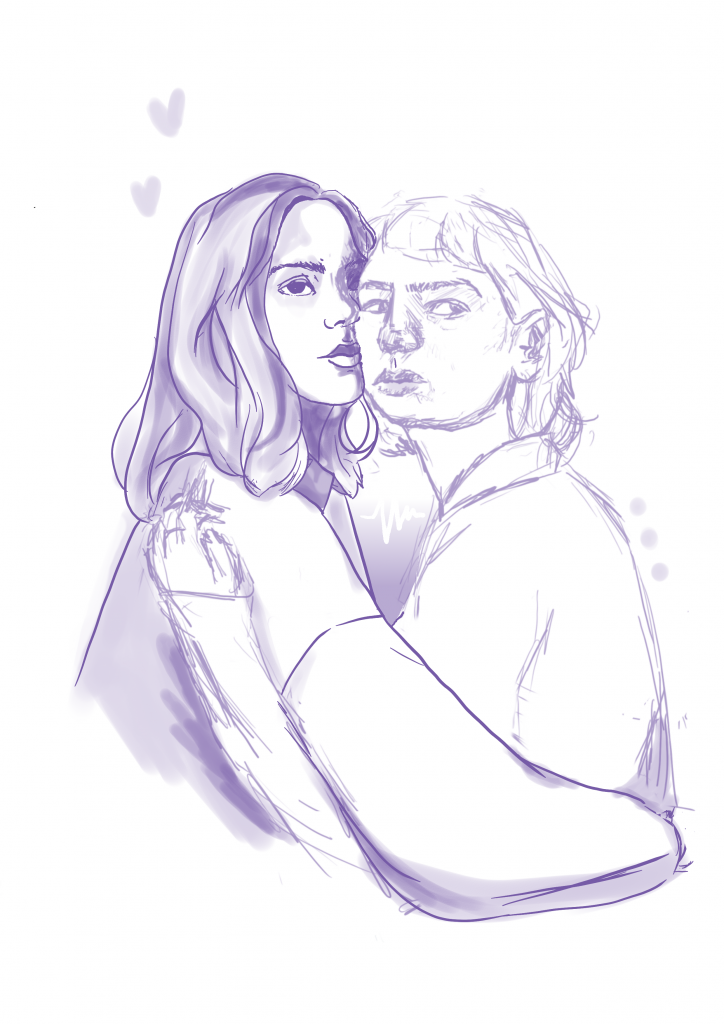
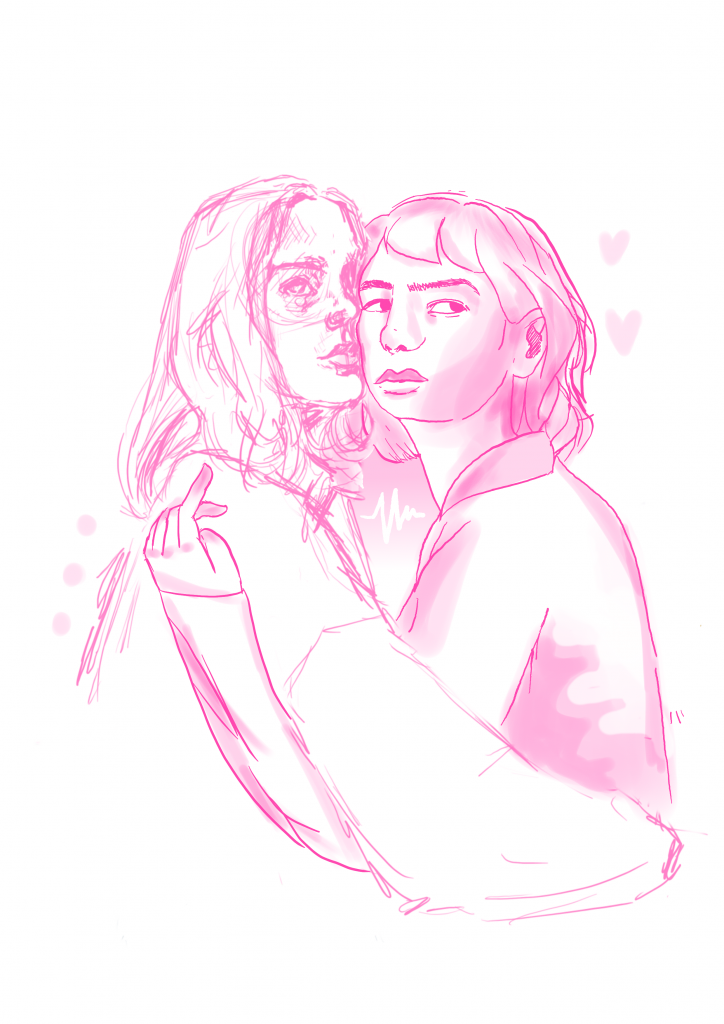
So look at these images – the first two are the two different layers for the third image. What’s going on with the fourth image? It’s miss-registered – the layers are out of alignment and it’s making it kindof a mess.
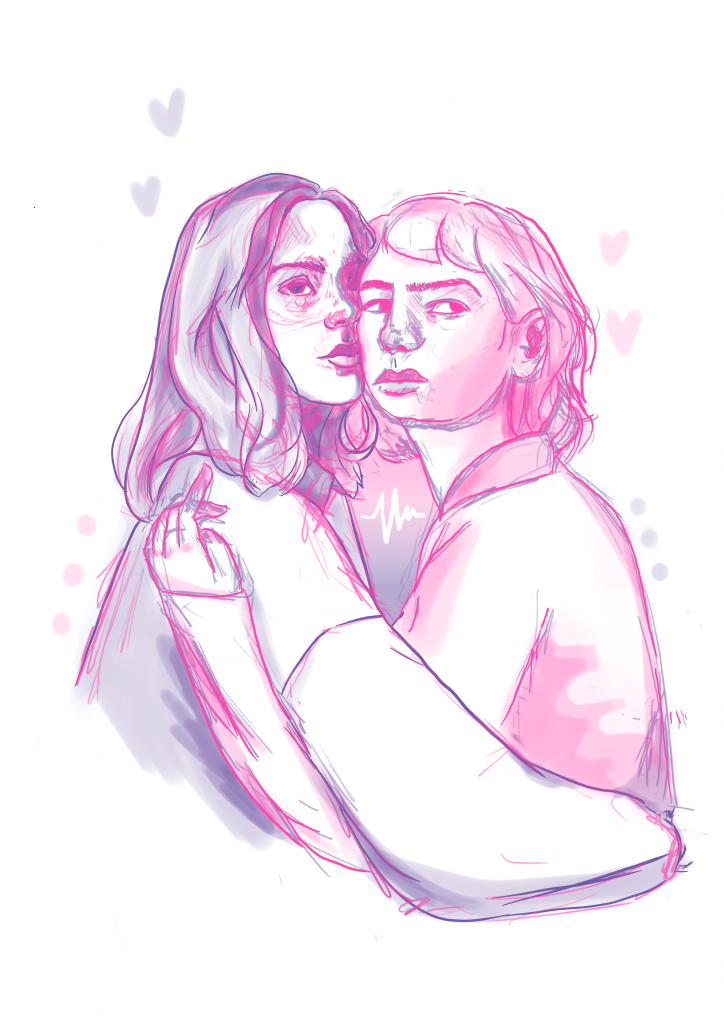
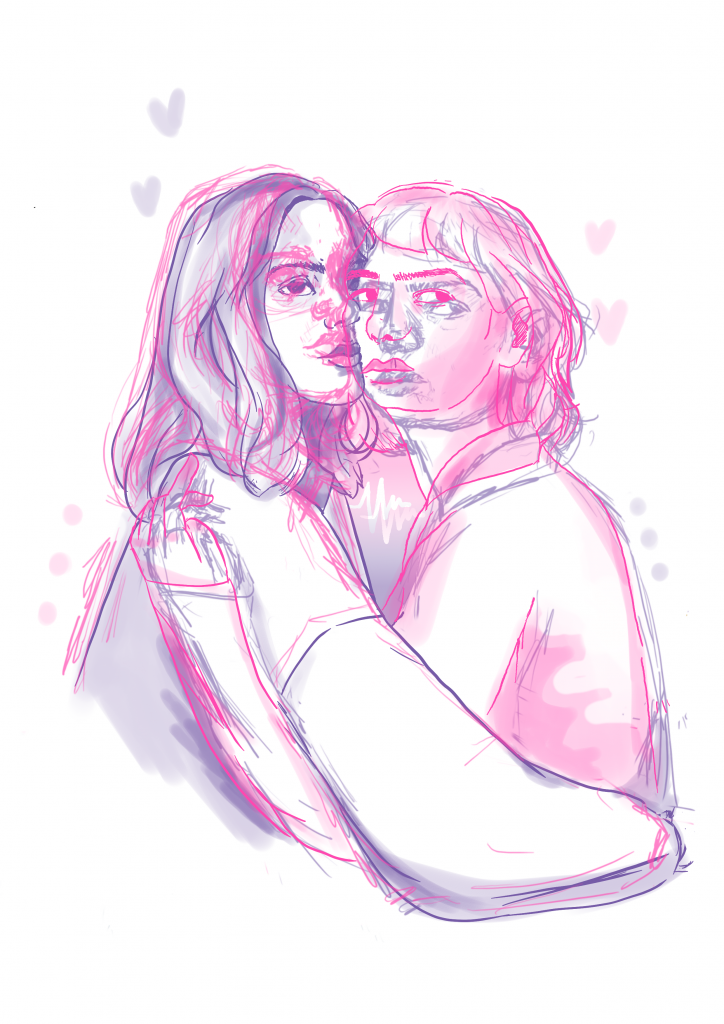
The point is if you have lots of colours that need lining up right next to each other there will probably be some registration errors in the finished print, so work like the above that requires tight registration to look clean is difficult to achieve. Like I say – you want to lean into the riso aesthetic – limit your palette, not your imagination!